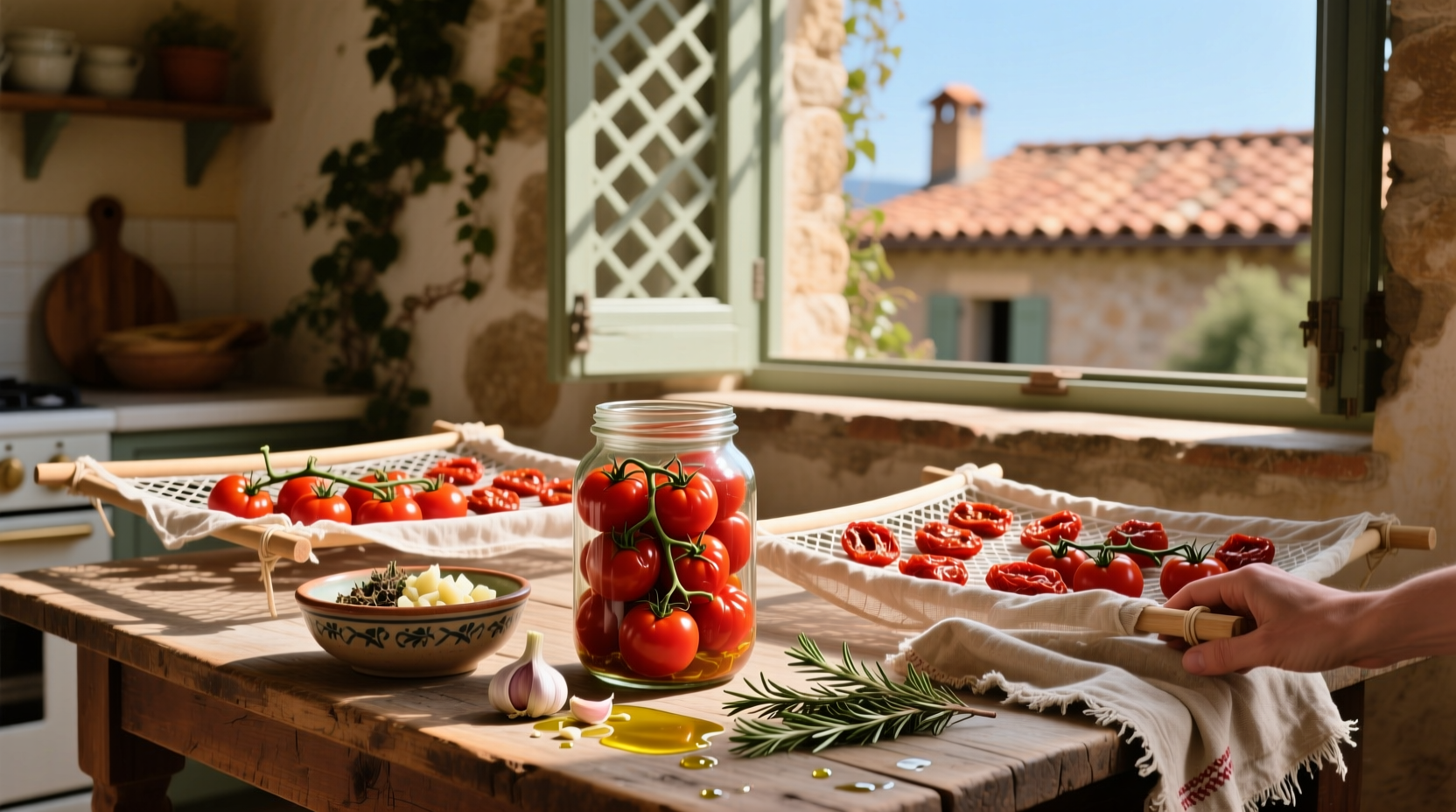
Embrace the Gourmet: Crafting Flavorful Homemade Sun-Dried Tomatoes
Imagine a tiny culinary treasure, bursting with concentrated sweetness and umami, ready to elevate everything from a simple pasta dish to a sophisticated appetizer. We're talking about sun-dried tomatoes, and while their name suggests an ancient, sun-soaked process, the journey to making these intensely flavorful gems at home is surprisingly accessible. Once considered a seasonal delicacy or a pricy import, making homemade sun dried tomatoes has become a beloved practice for home cooks seeking to capture the essence of summer produce year-round. But which method reigns supreme for flavor and practicality – the traditional sun or the modern oven?
A Timeless Tradition: Why Homemade Sun-Dried Tomatoes Endure
The concept of drying food to preserve it is as old as civilization itself, and tomatoes are no exception. For centuries, cultures like the Italians, who famously adorned their ceramic rooftops with drying tomatoes for winter storage, and the Aztecs, who employed salt and sun to cure their harvests, understood the transformative power of dehydration. This age-old technique not only extended the life of perishable produce but also concentrated its flavors, turning humble tomatoes into a gourmet ingredient with unparalleled depth.
Fast forward to today, and the allure of drying tomatoes old-fashioned way remains strong. While store-bought sun-dried tomatoes have become more common, there's an undeniable satisfaction and superior flavor profile that comes from crafting your own. If you're blessed with a bountiful tomato garden, or simply wish to make the most of seasonal farmers' market finds, embarking on the journey of homemade sun-dried tomatoes is a rewarding endeavor that promises a true pantry staple.
The Authentic Method: Sun-Drying Tomatoes at Home
For purists and those in sunny climates, the traditional sun-drying method offers an experience that connects you directly to nature's bounty. This process, while requiring patience and the right weather conditions, yields a uniquely complex flavor that some argue is impossible to replicate.
Choosing Your Tomatoes
While almost any tomato variety can be dried, Roma tomatoes (also known as plum tomatoes) are often preferred. Their high flesh-to-seed ratio and lower water content make them ideal candidates for efficient drying. However, don't shy away from other varieties; vibrant cherry tomatoes can become like concentrated jewels, and even larger slicing tomatoes can be used. The key is to select tomatoes of a uniform size to ensure even drying, preventing some from rotting while others are still moist.
The Sun-Drying Process
- Preparation: Wash your chosen tomatoes thoroughly. Slice them in half lengthwise. For larger varieties, you might even consider quartering them. This exposes more surface area for drying.
- Salting (Optional but Recommended): Lightly sprinkle the cut sides with salt. Salt not only enhances flavor but also helps draw out moisture, accelerating the drying process and inhibiting bacterial growth.
- The Drying Setup: Arrange the tomato halves, cut-side up, on raised screens or cooling racks. This elevation allows for optimal air circulation around and under the tomatoes, which is crucial for even drying. A sturdy, food-safe screen (like those used for dehydrators or fine-mesh cooling racks) is essential.
- Sun Exposure: Place your screens in an area with abundant, direct sunlight. Consistent heat and low humidity are your best friends here.
- Protection and Ventilation: Cover the tomatoes with a layer of cheesecloth, ensuring it's raised slightly so it doesn't touch the tomatoes. This protects against insects, birds, and airborne debris while still allowing for proper airflow.
- Nightly Retreat: This step is non-negotiable. Bring your tomatoes indoors every evening. Evening dew or sudden rains can reintroduce moisture, undoing hours of drying and potentially leading to spoilage.
- Patience is Key: Depending on your specific weather conditions (temperature, humidity, sunlight intensity), the drying process can take anywhere from 4 days to up to 2 weeks. You'll know they're ready when they are leathery and pliable, not crispy, with no visible inner moisture. Remember, approximately 10 standard Roma tomatoes will yield about one ounce of dried product.
While immensely satisfying, the sun-drying method demands a watchful eye and a cooperative climate. It's a true labor of love that rewards you with an authentic taste of tradition.
The Modern Marvel: Oven-Drying for Flavorful Results
For those living in less consistently sunny climes, or simply seeking a faster, more controlled process, the oven method is a fantastic alternative that delivers similarly lusty results in a fraction of the time. This "low and slow" approach in your kitchen oven essentially mimics a dehydrator, offering consistency and convenience.
Why Choose the Oven?
The oven method eliminates concerns about weather, humidity, and backyard critters. It's a virtually foolproof way to achieve perfectly dried tomatoes with minimal active supervision, making it ideal for busy individuals or apartment dwellers.
The Oven-Drying Process
- Tomato Selection: Again, Roma tomatoes are excellent, but the oven method is particularly forgiving for other varieties. Cherry heirloom tomatoes, for instance, dry beautifully in the oven, emerging with gem-like colors and concentrated sweetness that are perfect for garnishes or snacking.
- Preparation: Wash and slice tomatoes in half lengthwise. For smaller varieties like cherries, simply halving them is sufficient. For larger tomatoes, you might scoop out some of the seeds and pulp to speed drying.
- Seasoning & Drizzling: Arrange the cut tomatoes, cut-side up, on a baking sheet lined with parchment paper (this prevents sticking and makes cleanup a breeze). Drizzle lightly with olive oil and sprinkle with salt. You can also add dried herbs like oregano or thyme for an extra layer of flavor.
- Low and Slow Baking: Set your oven to its lowest temperature setting, typically between 175°F and 225°F (80°C to 105°C). Place the baking sheets in the oven.
- Drying Time: The drying time can vary based on tomato size and oven temperature, but generally ranges from 3 to 8 hours. Smaller cherry tomatoes might be done in 3-5 hours, while larger Romas could take 6-8 hours or more. There's no real "over-drying" concern here – if you leave them in longer, they'll simply become more concentrated.
- Checking for Doneness: The tomatoes are ready when they are shrunken, leathery, and pliable, but not brittle or crispy. They should feel dry to the touch, without any residual moisture in the center.
Oven-dried tomatoes emerge with a bright, sweet flavor profile, offering a pop of summery goodness that's far superior to many commercially processed options. The hands-off nature of this method makes it incredibly appealing for those who want gourmet results without the extensive outdoor commitment.
Sun vs. Oven: A Flavorful Face-Off for Your Homemade Sun-Dried Tomatoes
So, which method is truly the best for making homemade sun dried tomatoes? The answer, as with many culinary debates, largely depends on your priorities, resources, and desired outcome.
Flavor Profile
- Sun-Dried: Proponents argue that genuine sun-drying imbues tomatoes with a unique, deeper, and earthier flavor, possibly due to the longer, slower interaction with natural elements and ultraviolet light. The flavor tends to be more complex and savory.
- Oven-Dried: Oven-dried tomatoes often boast a brighter, sweeter, and more intensely concentrated tomato flavor. The controlled heat caramelizes their natural sugars beautifully, resulting in a vibrant taste.
Time & Effort
- Sun-Dried: This method is the most time-consuming in terms of overall duration (days to weeks) and requires daily monitoring, protection from pests, and nightly transfers. It's an active process.
- Oven-Dried: Significantly faster (hours) and largely hands-off once the tomatoes are in the oven. It offers consistent results regardless of external conditions, making it more convenient for busy schedules.
Accessibility & Control
- Sun-Dried: Requires specific weather conditions (hot, dry, sunny) and outdoor space, limiting its feasibility for many. Results can vary with changing weather.
- Oven-Dried: Universally accessible to anyone with an oven. Provides precise control over temperature, leading to predictable and consistent results every time.
Ultimately, both methods yield incredibly flavorful homemade sun dried tomatoes that far surpass store-bought pouches. If you crave the romance of tradition and live in a suitable climate, sun-drying is a truly rewarding experience. If efficiency, consistency, and year-round access are paramount, the oven method is an undisputed champion.
Storing Your Precious Harvest and Safety Tips
Once your homemade sun dried tomatoes are perfectly dried – pliable, leathery, and utterly devoid of internal moisture – proper storage is crucial to preserve their quality and prevent spoilage. A general rule of thumb is that properly dried tomatoes should last up to seven months.
Key Storage Guidelines:
- Ensure Complete Dryness: This is the most critical step. Any lingering moisture can lead to mold or bacterial growth. They should feel dry, not sticky, and bend without snapping.
- Airtight Containers: Store your dried tomatoes in airtight glass jars or vacuum-sealed bags in a cool, dark pantry. This protects them from moisture and pests.
- Oil-Packing (with caution): For extended flavor and convenience, you can pack your sun-dried tomatoes in olive oil. To do this safely, ensure the tomatoes are perfectly dry. If adding fresh herbs or garlic to the oil, always refrigerate the jar and consume within a few weeks. The anaerobic environment created by oil can, in rare cases, support the growth of botulism bacteria if moisture is present with low-acid ingredients like fresh garlic. For longer shelf life, consider pickling the tomatoes briefly in vinegar before oil-packing, or pasteurizing the oil-packed jars.
- Freezing: For long-term storage (up to a year or more), dried tomatoes can be frozen, either plain or oil-packed. This is an excellent option for preserving large batches.
Always inspect your homemade sun dried tomatoes before use. Discard any that show signs of mold, rot, or an off smell. Your diligence in drying and storing will ensure you can enjoy these gourmet delights for months to come.
Conclusion: A Flavorful Journey Worth Taking
Whether kissed by the sun or gently warmed in the oven, homemade sun dried tomatoes are a testament to the magic of food preservation and the power of concentrated flavor. They are versatile, adding a gourmet touch to countless dishes – from vibrant pestos and rich pasta sauces to fresh salads, savory tarts, and even enjoyed simply as a snack. By making them yourself, you not only save money but gain complete control over the quality, ingredients, and the unique flavor profile. So, choose your adventure, embrace the process, and get ready to enjoy a year-round taste of summer's best bounty from your very own pantry.
