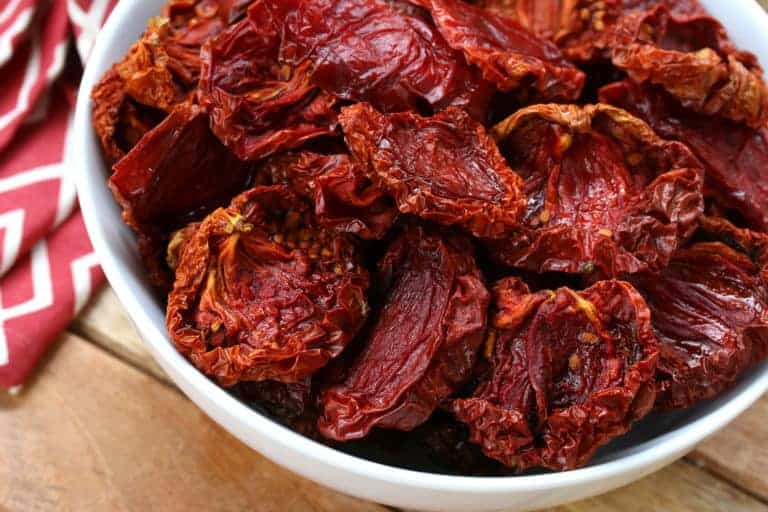
The Timeless Appeal of Drying Tomatoes: Your Gourmet Pantry Staple
Imagine a burst of intense, sweet-tart flavor elevating your favorite dishes, transforming the ordinary into something truly gourmet. This isn't achieved with an exotic spice, but with humble tomatoes, dried to perfection. While the thought of "dried food" might not immediately conjure images of a five-star meal, a relatively small amount of
homemade sun dried tomatoes can infuse a profound richness and complexity into a vast array of recipes, making them a true staple in any gourmet pantry.
For centuries, communities from the sun-drenched rooftops of Italy to the ancient Aztec lands have embraced the art of drying tomatoes. This age-old practice wasn't just about culinary delight; it was a vital preservation method, allowing the bounty of summer's harvest to be savored through the lean winter months. Today, this tradition offers modern home cooks an incredibly rewarding way to create a versatile ingredient that’s easy to make, store, and use, proving that sometimes, the old ways are truly the best ways.
Why Choose the Old-Fashioned Way? The Unrivaled Benefits of Homemade
While commercially available sun-dried tomatoes have become more accessible, the decision to make your own
homemade sun dried tomatoes offers compelling advantages that far outweigh the convenience of store-bought alternatives.
*
Unmatched Flavor and Quality Control: When you dry your own tomatoes, you select the freshest, ripest produce, often straight from your garden or a local farmer's market. This control over the raw ingredients translates directly into superior flavor. You avoid the preservatives, questionable oils, or unknown processing methods sometimes found in packaged varieties. The difference in taste is akin to a homegrown tomato versus a bland supermarket one – profound and unforgettable.
*
Cost-Effectiveness: If you're blessed with an abundant tomato harvest, drying them is an economical way to utilize and preserve your crop. Even if you purchase tomatoes, making your own often proves to be significantly cheaper than buying premium quality sun-dried tomatoes, especially when considering the sheer volume you can produce.
*
Culinary Versatility and Purity: Store-bought options often come packed in oil with added herbs or garlic. While delicious, making your own plain dried tomatoes gives you complete freedom to hydrate them in water, wine, or broth, and then infuse them with your choice of flavors for specific dishes. This pure, unadulterated form is the most versatile for your culinary explorations.
*
The Joy of Creation: There’s immense satisfaction in transforming fresh produce into a concentrated flavor bomb with your own hands. It connects you to ancient culinary traditions and provides a deep appreciation for the ingredients you use.
The drying process itself is remarkable. Tomatoes can lose anywhere from 88 to 93% of their original weight, a testament to their water content and the incredible concentration of flavor that occurs as moisture evaporates. This ancient wisdom, passed down through generations, is now yours to master.
Mastering the Sun-Drying Method: Your Step-by-Step Guide
Embracing the traditional sun-drying method is an exercise in patience and appreciation for nature's power. While it may take longer than modern alternatives, the results are truly worth it.
Choosing and Preparing Your Tomatoes: The Foundation of Flavor
The journey to perfect
homemade sun dried tomatoes begins with selecting the right produce.
- Variety Matters: Most enthusiasts prefer Roma (plum) tomatoes due to their high flesh-to-seed ratio and lower water content, which makes for faster and more efficient drying. However, any variety can work! Cherry tomatoes, for instance, dry into delightful, gem-like bites, perfect for snacking or adding whole to salads.
- Uniformity is Key: Regardless of the variety, choose tomatoes of a similar size to ensure they dry at a consistent rate. Uneven drying can lead to some tomatoes spoiling while others are still in process.
- Preparation: Wash your tomatoes thoroughly and dry them completely. Slice larger tomatoes (Romas, beefsteaks) in half lengthwise. Smaller varieties like cherry tomatoes can be halved or even left whole if tiny, but halving them significantly speeds up drying. For very large tomatoes, you might quarter them.
The Art of Salting and Arrangement
Once sliced, a light sprinkle of salt plays a crucial role. Salt not only enhances the tomato's natural sweetness and flavor but also helps draw out moisture, aiding in the drying process and acting as a mild preservative. Use a fine-grained salt like sea salt or kosher salt.
Next, arrange your salted tomato halves, cut-side up, on raised screens. Raised screens are vital as they allow for continuous airflow around and under the tomatoes, preventing moisture buildup and promoting even drying. Ensure the tomatoes are not touching each other to maximize air circulation.
Harnessing the Sun's Embrace: Location and Protection
The success of sun-drying hinges on finding the right environment:
- Location, Location, Location: Choose a spot that receives direct, uninterrupted sunlight for the majority of the day. Crucially, the air must be hot and dry, with low humidity. A gentle breeze is also highly beneficial for airflow.
- Protecting Your Harvest: Cover your tomatoes with a layer of cheesecloth or a fine mesh screen. This acts as a barrier against insects, birds, and other critters, while still allowing proper ventilation. Ensure the cover is raised so it doesn't touch the tomatoes themselves.
- The Nightly Ritual: As evening approaches, bring your drying screens indoors. The cool night air and potential dew can reintroduce moisture to your tomatoes, undoing the day's drying progress and increasing the risk of spoilage.
The Waiting Game: When Are They Ready?
This traditional method is variable. Depending on your local weather conditions – temperature, humidity, and sun intensity – the drying process can take anywhere from four days to two weeks. You'll know your tomatoes are ready when they are leathery and pliable, not brittle or crispy, but with absolutely no visible internal moisture. Squeeze one gently; there should be no juice or softness. For context, plan on approximately 10 standard Roma tomatoes yielding roughly one ounce of dried tomatoes.
Beyond the Sun: Oven, Dehydrators, and Safe Storage Practices
While the sun-dried method is deeply rewarding, not everyone lives in an area with consistently hot, dry, and sunny conditions, or has the time to dedicate to the traditional process. Thankfully, you can achieve equally delicious results using modern appliances. To explore the differences and find the best method for your needs, delve into
Sun vs. Oven: Best Way to Make Flavorful Sun-Dried Tomatoes.
Oven Drying: The Controlled Approach
Using your oven at a very low temperature (typically 175-200°F or 80-95°C) can mimic the sun's gentle heat. This method is often faster, taking around 5-12 hours depending on tomato size and oven calibration, and is virtually foolproof. Arrange tomatoes on baking sheets, sprinkle with salt, and bake until dry. Keep the oven door slightly ajar with a wooden spoon to allow moisture to escape.
Dehydrators: Precision and Efficiency
A food dehydrator offers the most controlled environment for drying. It circulates warm, dry air, making it highly efficient. Follow your dehydrator’s instructions for fruits and vegetables, typically setting it around 135°F (57°C).
Storing Your Homemade Sun-Dried Tomatoes Safely
Proper storage is paramount to ensure your
homemade sun dried tomatoes remain a safe and delicious gourmet pantry staple. For a comprehensive guide on various storage methods, check out
Homemade Sun-Dried Tomatoes: Sun, Oven, and Storage Guide.
*
Airtight Containers: Once perfectly dry and cooled completely, store your sun-dried tomatoes in airtight jars or containers in a cool, dark pantry. They can last up to seven months this way.
*
Freezing: For long-term storage, freezing is an excellent option. Place dried tomatoes in freezer-safe bags or containers. They will retain their vibrant flavor and can be kept for a year or more, ready to be tossed directly into dishes.
*
Oil-Packed (with Caution): If you choose to pack your sun-dried tomatoes in oil, especially with fresh herbs or garlic, extreme caution is necessary to prevent the growth of harmful bacteria like *Clostridium botulinum*. Always ensure the tomatoes are perfectly dry. If adding fresh ingredients, it's highly recommended to acidify the tomatoes first (e.g., with vinegar or citric acid) or store them in the refrigerator and consume within a few weeks. Once opened, oil-packed tomatoes, particularly those with fresh additions, *must* be refrigerated.
*
The Golden Rule: Always inspect your dried tomatoes before use. Discard any that show signs of mold, rot, or an off smell. Safety first!
Unleashing Flavor: Culinary Uses for Your Homemade Sun-Dried Tomatoes
The concentrated umami and intense sweetness of
homemade sun dried tomatoes make them an incredibly versatile ingredient, capable of elevating countless dishes. Rehydrate them by soaking in warm water, wine, or broth for 15-30 minutes, then drain and chop, or use them dry and chopped for certain applications.
*
Pastas and Sauces: A classic pairing! Chop and add to pasta sauces, pestos, or even just olive oil, garlic, and fresh basil for a simple, flavorful dish.
*
Salads and Grains: Toss into green salads, grain bowls, couscous, or quinoa for a burst of color and flavor.
*
Spreads and Dips: Blend into hummus, create a vibrant tapenade, or mix with cream cheese for a gourmet bagel spread.
*
Baked Goods: Incorporate into savory muffins, focaccia bread, or even artisan sourdough for a delightful tang.
*
Eggs and Omelets: Chop and add to scrambled eggs, frittatas, or quiches for a touch of Mediterranean sunshine.
*
Sandwiches and Wraps: Elevate a simple sandwich or wrap with a layer of these flavor-packed gems.
*
Marinades and Dressings: Infuse olive oil with sun-dried tomatoes to create a flavored oil, or finely chop them for robust vinaigrettes.
Their "popping bites of sunshine" quality makes them an ingredient you'll want to keep stocked year-round.
Conclusion
From ancient rooftops to modern kitchens, the tradition of drying tomatoes endures for good reason. Crafting your own
homemade sun dried tomatoes is not merely a method of preservation; it's an act of culinary magic. It transforms a commonplace fruit into a gourmet pantry staple, brimming with concentrated flavor that can elevate the simplest meal to an extraordinary dining experience. The process is rewarding, the outcome delicious, and the versatility endless. So, whether you embrace the sun's ancient power or the modern convenience of an oven, embark on this delicious journey and fill your pantry with these exquisite, homemade gems. Your taste buds will thank you.